
The Intricate Nature of Casino Environments
When one steps into a casino, they immediately encounter a carefully curated environment designed to stimulate excitement and engagement. The use of vivid colors, dynamic lighting, and various auditory cues plays a crucial role in creating an atmosphere that encourages players to linger, particularly when they explore an online casino that offers a wide range of games and experiences. Colors, for instance, are not chosen arbitrarily; they are selected based on their psychological effects. Warm colors like reds and yellows tend to evoke feelings of warmth and comfort, while cooler colors can promote a sense of security and relaxation. This combination often results in an experience that keeps players captivated and wanting more.
Moreover, the layout of a casino is strategically designed to guide patrons through the gaming floor without a clear path. This design fosters a sense of exploration, encouraging players to discover various games and attractions. Unlike traditional retail spaces, where aisles lead directly to exits, casinos often lack clear sightlines and pathways. This intentional obfuscation keeps players on the floor and reduces the likelihood of them leaving prematurely. The absence of clocks also contributes significantly to this effect, creating an environment where time becomes irrelevant, and moments blend into an endless gaming experience.
Furthermore, the sensory elements of a casino, from the sounds of coins dropping to the deep bass of electronic games, are expertly crafted to enhance the overall psychological impact. Each sound reinforces a sense of rewards and excitement, evoking emotional responses that can encourage continued play. Consequently, the combination of visual and auditory stimuli creates a multidimensional experience that penetrates the subconscious, prompting users to stay longer than they might initially intend. This immersive experience is a key factor in how casinos maintain player engagement.
The Role of Behavioral Conditioning
Behavioral conditioning is a cornerstone of casino design, a practice rooted in psychological principles that reward specific user behaviors. Casinos operate under the premise that they can train players to associate their environment with positive emotional responses. This is accomplished through reinforcement, where players are rewarded with small victories or complimentary services, effectively creating conditioned responses to the gambling experience. When visitors win, even small amounts, their brains release dopamine, a neurotransmitter associated with pleasure. This reaction reinforces the desire to continue playing, often leading to longer gaming sessions.
Additionally, loyalty programs and rewards systems are carefully implemented to further encourage repeat patronage. By offering exclusive perks such as complimentary meals, hotel stays, or access to special events, casinos create a sense of loyalty. Players feel rewarded not only for their spending but also for their return visits, tapping into the psychological desire for acknowledgment and appreciation. The anticipation of upcoming rewards can trigger excitement and draw individuals back into the establishment, creating a cycle of engagement that benefits both the player and the casino.
Lastly, the psychological effect of near misses also plays a significant role in behavioral conditioning. When players come close to winning but fall short, it can trigger a strong emotional response that encourages them to continue playing in hopes of overcoming that near miss. This phenomenon exploits a fundamental aspect of human psychology—people are often more motivated to chase their losses or perceived opportunities than to walk away after a defeat, thereby prolonging their time and spend in the casino. The allure of potential victory keeps players returning, often leading to greater financial commitment.
The Importance of Social Interaction
Casinos are inherently social environments, and the design reflects this by encouraging interaction among players. Table games, in particular, are set up to promote camaraderie and conversation, as players can engage with one another and the dealer. This social component is crucial, as studies show that people often gravitate towards environments that enhance social interaction, creating a sense of belonging and community. The physical presence of others can lead to a shared exhilaration that enhances the overall gambling experience, making it more than just a solitary activity.
The layout of seating and tables also influences social behavior. For example, games that require multiple players are often arranged in a circular or semi-circular fashion, which fosters discussions and collective excitement. This setup can enhance the emotional highs and lows experienced during gameplay, as players cheer each other on or commiserate during losses. It’s not uncommon for individuals to return to a casino simply for the social aspect, reinforcing the importance of community in the gambling experience. The shared environment can lead to stronger connections, making visits memorable.
Furthermore, casinos often host events, tournaments, and live entertainment to bolster their social appeal. The introduction of such elements draws larger crowds, creating a more vibrant atmosphere where social interactions become inevitable. These events can range from poker tournaments to concerts, providing ample opportunities for patrons to mingle and connect with one another. The combination of these features not only amplifies the entertainment value of casinos but also establishes them as social hubs that foster relationships among patrons, leading to a more enjoyable and memorable experience that goes beyond the games themselves.
The Psychological Impact of Game Variety
A diverse range of games is a fundamental element in casino design and operations. The variety caters to different player preferences, keeping the environment dynamic and engaging. From slot machines with varied themes to table games like poker, blackjack, and roulette, each game provides a unique experience that can appeal to different audiences. This extensive selection not only attracts a broader demographic but also encourages players to try new games, enhancing their overall experience and increasing their chances of finding something they enjoy.
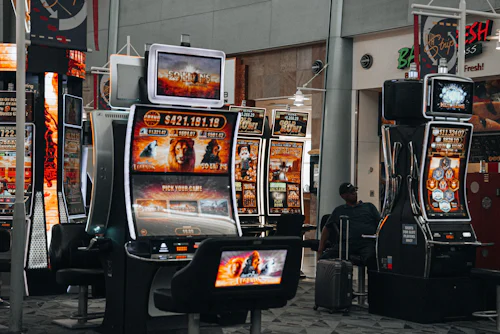
The psychology behind offering various games lies in the concept of novelty and exploration. Many players are drawn to the thrill of trying something new, which can stimulate interest and prolong engagement. By constantly introducing new games or redesigning existing ones with fresh features, casinos keep their offerings appealing. This constant innovation can lead patrons to return out of curiosity and the hope of discovering their next favorite game, thereby increasing foot traffic and game play.
Moreover, the presence of high-stakes versus low-stakes games can cater to different psychological needs. High-stakes games attract risk-takers seeking adrenaline, while low-stakes options are ideal for casual players looking for entertainment without significant financial pressure. This strategic balance allows casinos to create an environment that can accommodate various personalities, thus maximizing their reach and potential revenue while ensuring that every player feels welcome. This diversity in offerings ensures that everyone has a place within the casino, potentially increasing the time spent on the gaming floor.
Understanding Casino Websites and Their Appeal
The transition from physical casinos to online platforms has brought about a new wave of design thinking. Casino websites replicate many elements of their physical counterparts but do so through a digital lens. The layout of these sites prioritizes user experience, ensuring navigation is seamless and engaging. Much like physical casinos, online platforms utilize vibrant colors, dynamic graphics, and interactive features designed to capture visitors’ attention and keep them engaged. This adaptation is essential for maintaining player interest in a highly competitive online environment.
Moreover, the psychological principles observed in physical casino design are mirrored online. For instance, loyalty programs, bonuses, and promotional offers are prominently displayed to encourage sign-ups and ongoing play. These incentives are designed to create excitement and a sense of belonging among users, providing them with reasons to return. The instant gratification provided by online gaming mirrors the fast-paced thrills found in traditional casinos, keeping users engaged and coming back for more. The strategic placement of these elements on the site can significantly influence user behavior.
Ultimately, as the online casino industry continues to grow, understanding the psychology behind their design will be crucial for operators. The competition is fierce, with countless platforms vying for players’ attention. As a result, those that can effectively integrate psychological principles into their design will be better positioned to attract and retain a loyal customer base, thus securing their place in the ever-evolving landscape of online gambling. The ability to adapt and innovate in response to user preferences will be a defining factor for success in this digital age.